Just south of Florence lies Scandicci, an unassuming Tuscan district where virtually every luxury leather goods house in Paris and Milan maintains an atelier or contract partner. For emerging leather accessories brands and independent designers, Scandicci represents the ultimate sourcing milestone.
The Tuscan Leather Triangle: Santa Croce to Scandicci
To understand Tuscan leather production, one must distinguish between the tanneries (concerie) of Santa Croce sull'Arno and the manufacturing ateliers (pelletterie) of Scandicci.
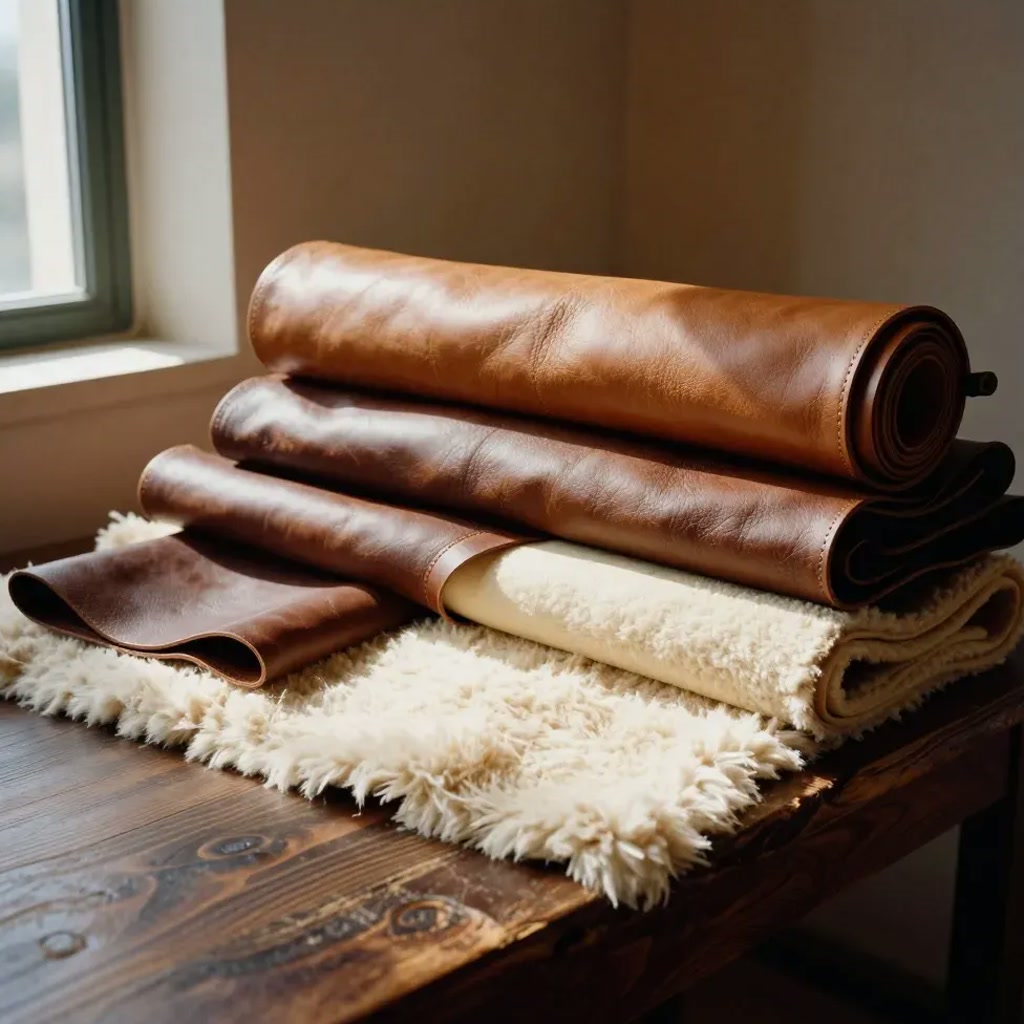
Santa Croce is home to the Consortium of Genuine Italian Vegetable-Tanned Leather, utilizing natural chestnut and quebracho tannins to produce full-grain calfskins that patina gracefully over decades. Once tanned, these hides travel thirty minutes east to Scandicci, where master pattern-makers, skiving technicians, and edge-glazing specialists turn raw leather into structured luxury bags and small leather goods.
“In Scandicci, edge painting isn't an automated finish—it's a 7-step hand process involving sand-papering, base sealing, and multi-coat lacquer application.”
Vetting an Atelier: Prototyping & Master Tooling
When approaching a Tuscan pelletteria, the initial phase centers on CAD pattern construction and metal cutting dies (fustelle). Unlike apparel, leather prototyping requires precision structural reinforcement—salpa, microfiber stiffeners, and water-based adhesives.
A reputable Scandicci atelier will provide full prototyping services: translating tech packs or 3D mockups into physical paper patterns, cutting first-stage canvas muslins, and finally crafting the definitive prototype in sample leather. Expect tooling and sample fees to range from €400 to €1,200 per handbag silhouette, which is usually credited toward bulk production once the purchase order is finalized.
Hardware Sourcing: The Unsung Pillar of Luxury
The hallmark of true luxury leather goods lies in solid brass hardware. Scandicci ateliers maintain close relationships with boutique hardware galvanizers in Florence who specialize in palladium, 24k gold, and matte ruthenium electroplating.
Sourcing off-the-shelf zamak zinc alloy hardware is a common beginner error that ruins an otherwise immaculate Tuscan calfskin bag. Work with your manufacturer to specify CNC-milled or forged brass fittings with PVD (Physical Vapor Deposition) coatings to prevent tarnishing.
Executive Sourcing Protocol · Field Recommendations
- •Separate your tannery sourcing (Santa Croce) from your bag construction (Scandicci).
- •Invest upfront in master brass cutting dies and solid milled brass hardware.
- •Verify Leather Working Group (LWG) Gold or Silver tannery ratings for environmental traceability.
- •Factor in an 8 to 12 week production window from hide delivery to final boxed packaging.
Direct Manufacturing Access: Italy
Explore verified factory dossiers in Florence / Scandicci.